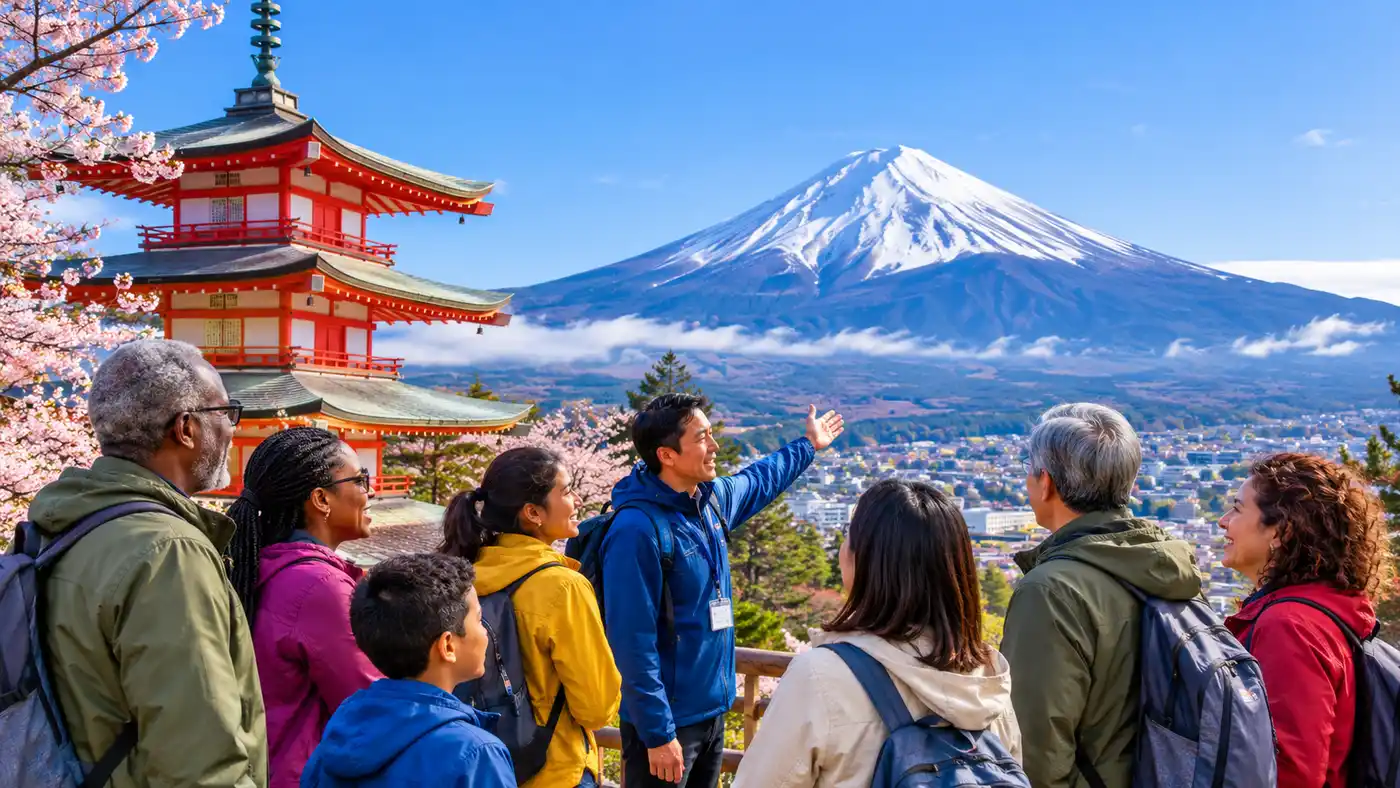
Best Mt Fuji Tours from Tokyo: Guided and Bus Trips
Compare the best Mt Fuji tours from Tokyo, from budget group buses to Shinkansen combos and private charters. Real …
Continue Reading →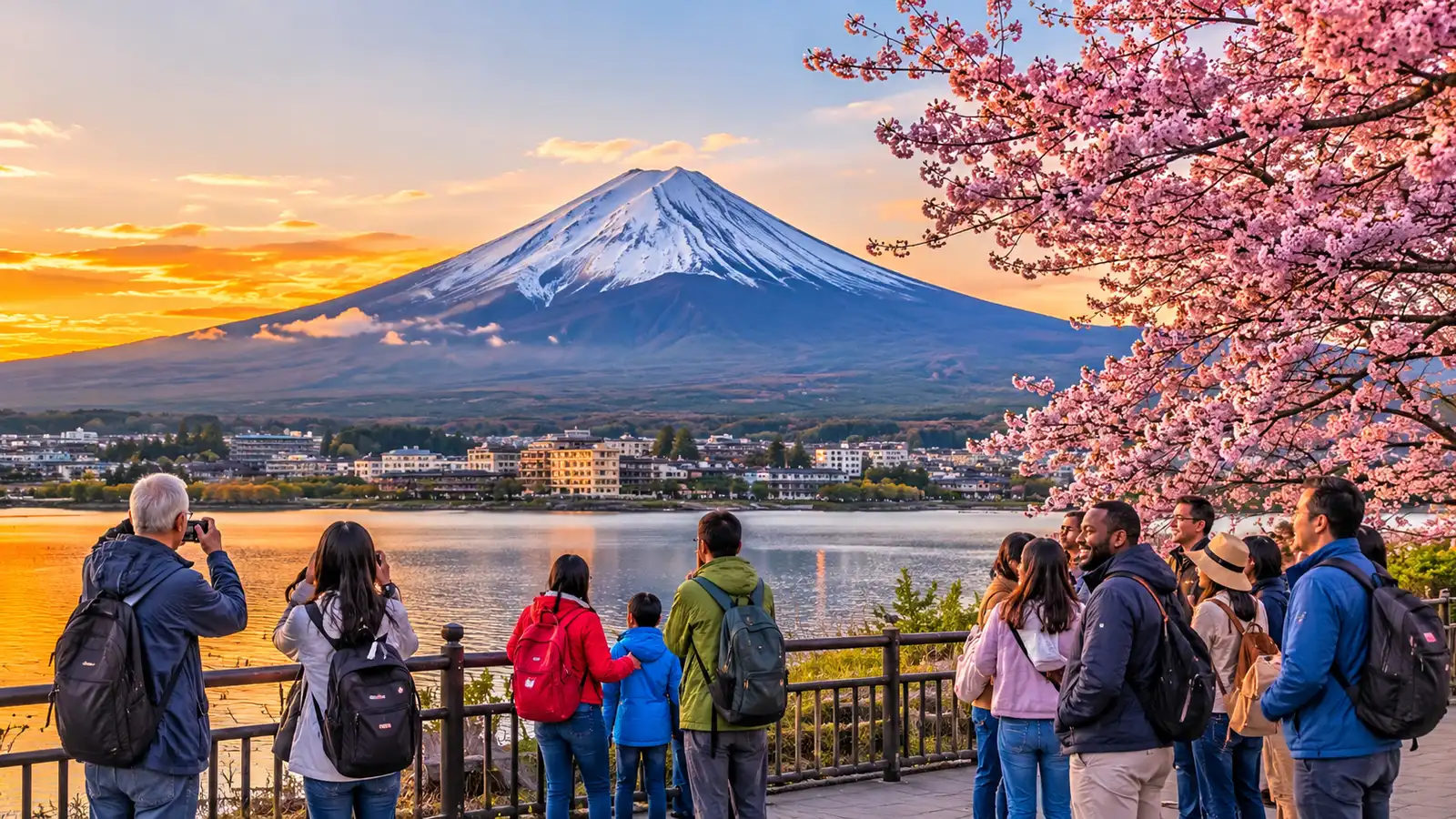
Everything you need to visit Mt Fuji from Tokyo on your own schedule, from early morning express trains to quiet lakeside viewpoints.
Discover what makes mt fuji from tokyo unforgettable.
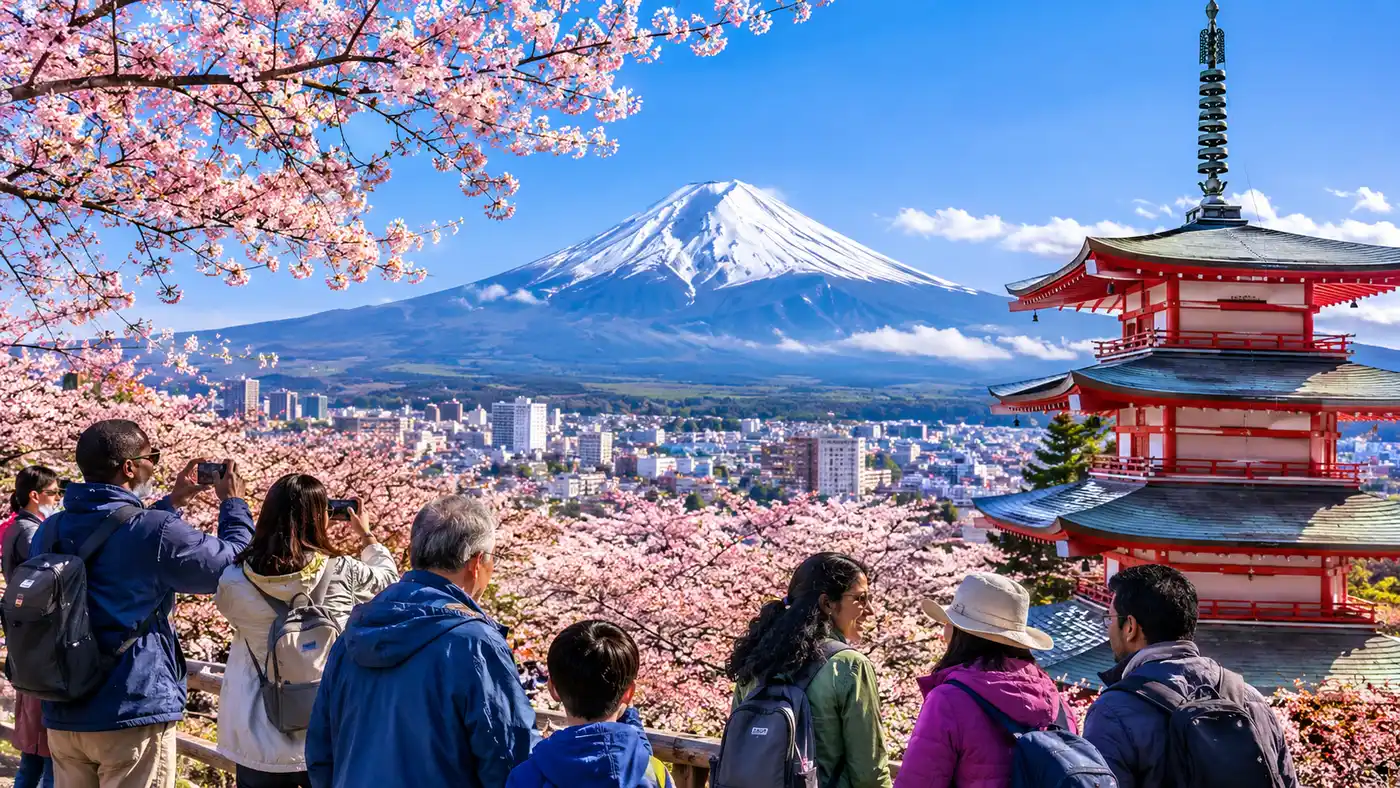
Climb the 398 stone steps up to Chureito Pagoda for the iconic postcard view of the five-story pagoda framed by cherry blossoms or red maples. Down at Lake Kawaguchiko, the northern shore gives you wide water reflections on still mornings.
Learn more →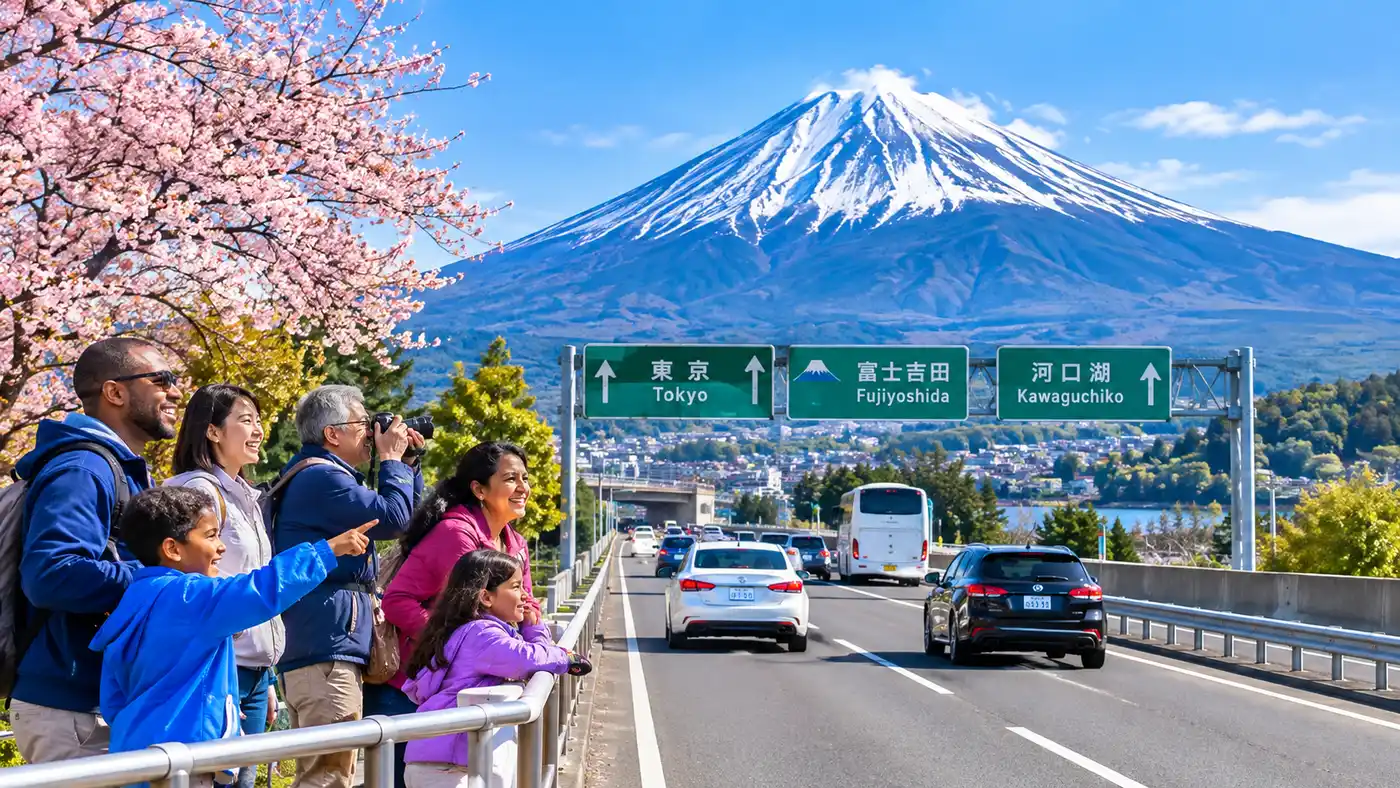
The Fuji Excursion limited express departs Shinjuku Station three times each morning, taking you to Kawaguchiko without a single train transfer. Highway buses run from Shibuya and Tokyo Station every 30 minutes.
Learn more →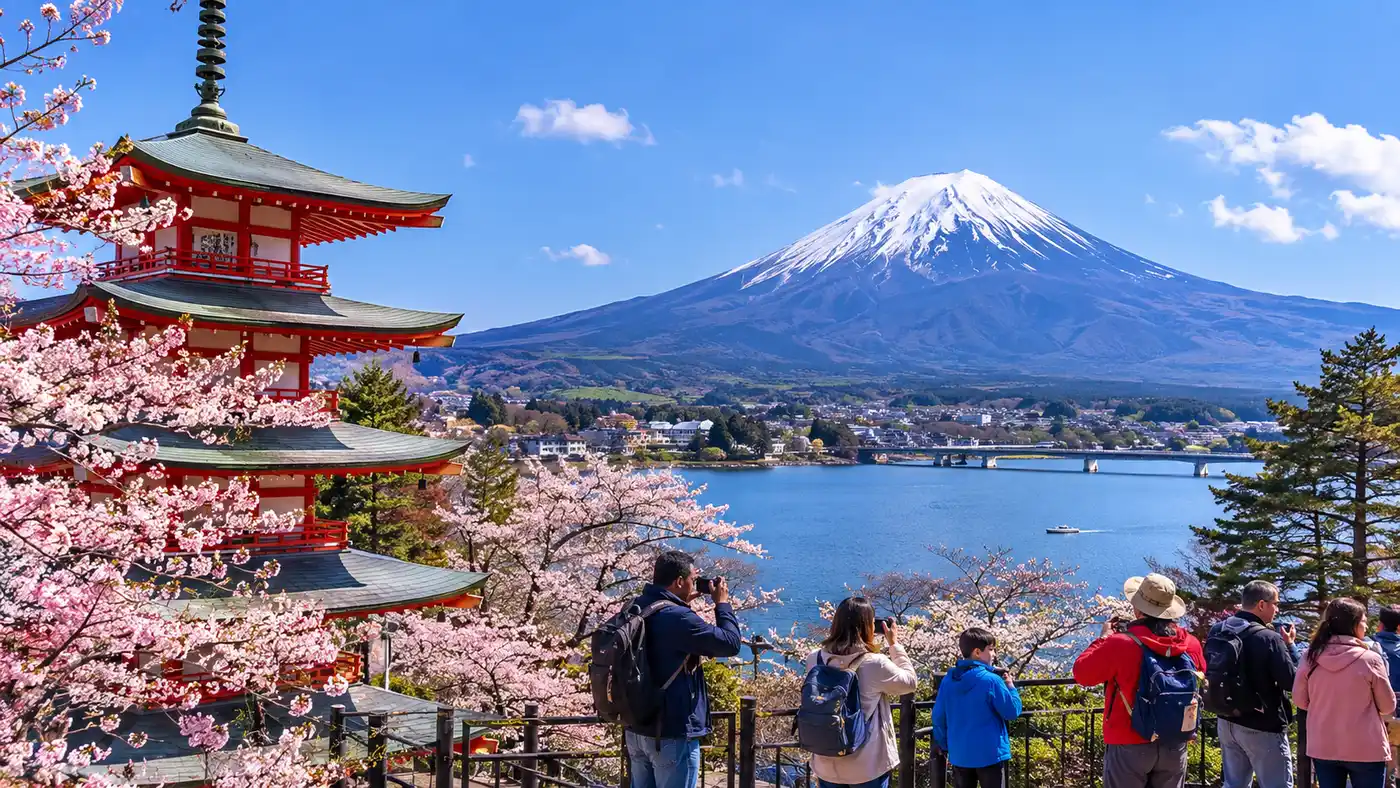
Pair the retro bus circuit around Lake Saiko with an afternoon soak in an open-air onsen. You can easily complete a full northern lakes loop and return to Tokyo by dinner time.
Learn more →
Rent a kayak near Oishi Park to paddle beneath the mountain shadow, or hike through the Aokigahara forest paths with local nature guides. Summer visitors can tackle the Yoshida Trail up toward the summit.
Learn more →What to expect from arrival to departure.
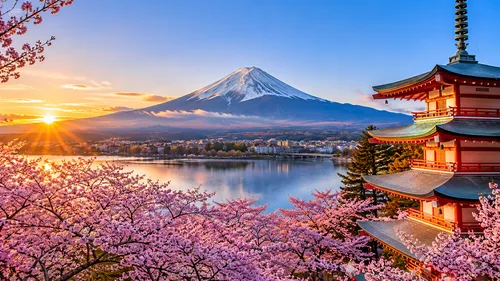
Catch the 7:30 AM Fuji Excursion express train to skip expressway bottlenecks and secure a right-side window seat.
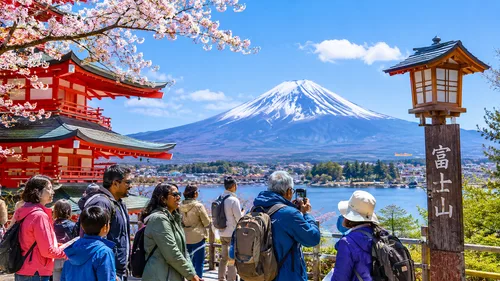
Pick up a local transit map at the station info desk and load your IC transit card for regional buses.
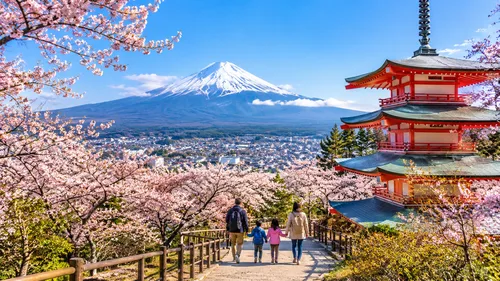
Ride the local rail two stops to Shimoyoshida and climb to the pagoda before midday tour coaches arrive.
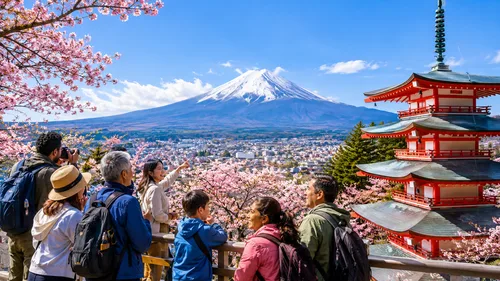
Take the Red Line bus to Kawaguchiko Natural Living Center for unobstructed views across open water.
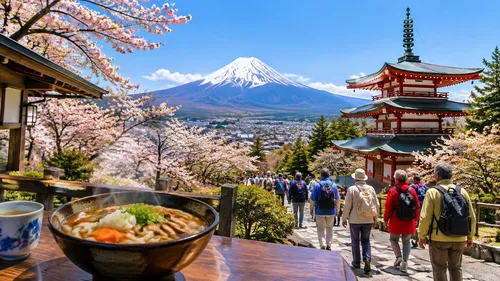
Stop in a cedar-beamed roadside eatery for thick wheat noodles simmered in hearty pumpkin miso broth.
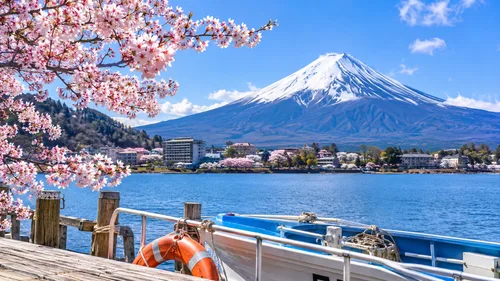
Board a direct coach back to Tokyo Station, resting your legs while the sun sets behind the western ridges.
Planning an independent Mt Fuji trip from Tokyo comes down to picking the right base. Most first-timers head straight to Lake Kawaguchiko, where water reflections and lakeside walking trails frame the snowcapped cone. Others aim for Hakone to combine volcanic ropeways with hot springs, or push up to the 5th Station at 2,305 meters to stand directly on the volcanic gravel.
When visiting Mt Fuji from Tokyo, clear views are never guaranteed. The mountain creates its own weather patterns. Summer afternoons often pull heavy humidity and thick cloud cover across the slopes, while crisp November and February mornings offer the sharpest silhouettes. Checking morning webcams before boarding a train at Shinjuku saves hours of disappointment.
You can explore the northern lakes using local buses, rent a bicycle near Kawaguchiko Station, or follow the Chureito Pagoda steps in Fujiyoshida. Getting out here requires less logistical effort than many travelers assume, as long as you secure seat reservations before weekend crowds arrive.
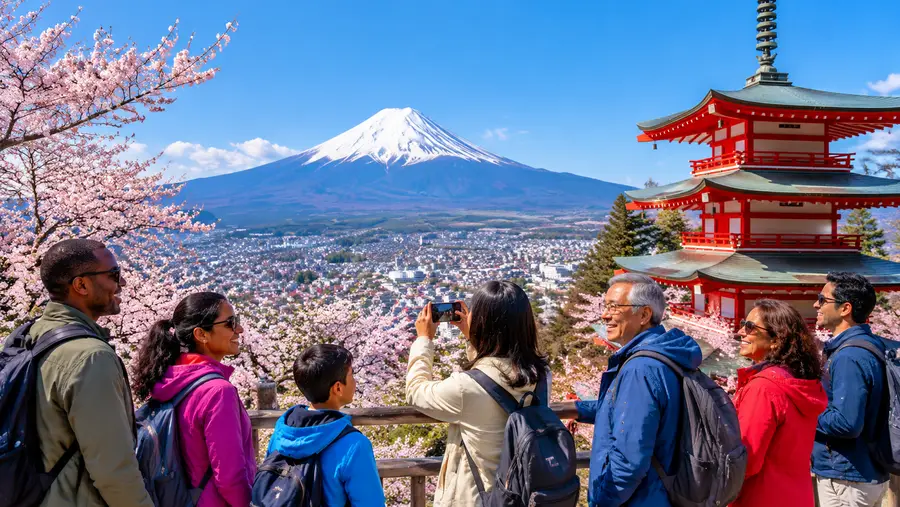
Took the 7:30 AM train out of Shinjuku and arrived before the tour groups. The view from Chureito Pagoda was completely clear until about noon.
Rented an electric bicycle right outside Kawaguchiko Station for ¥2,500. Riding the north shore gave us incredible photo angles with zero crowds.
The Sunday afternoon bus back to Tokyo got caught in heavy expressway traffic for nearly three hours. Stick to the train for your return leg.
Checking the live weather cameras at 6:00 AM saved our day. We saw the peak in crisp winter light and had piping hot hoto noodles by the water.
Compare options and book directly below.
Covers guaranteed seat reservations on the express highway bus between Shinjuku Terminal and Kawaguchiko Station.
Includes standard JR train fare and the mandatory reserved seat supplement for the direct limited express train from Tokyo.
Mandatory Yamanashi prefecture conservation fee required to hike beyond the 5th Station toward the mountain summit.
Everything you need to know before visiting mt fuji from tokyo.
Hours: Climbing season runs from early July to September 10 (Yoshida Trail opens July 1; Subashiri, Gotemba, and Fujinomiya trails open July 10). Trail gates close from 2:00 PM to 3:00 AM for hikers without mountain hut reservations. Fuji Subaru Line 5th Station is accessible year-round, weather permitting.
| Highway Bus Round-Trip (advance online booking) | ¥4,400 |
| Fuji Excursion Express (one-way rail ticket) | ¥4,130 |
| Yoshida Trail Climbing Pass (per hiker / summer only) | ¥2,000 |
📍 Kitayama, Fujinomiya, Shizuoka / Kamiyoshida, Fujiyoshida, Yamanashi, Japan
See it before you go.

Worth combining with your mt fuji from tokyo visit.
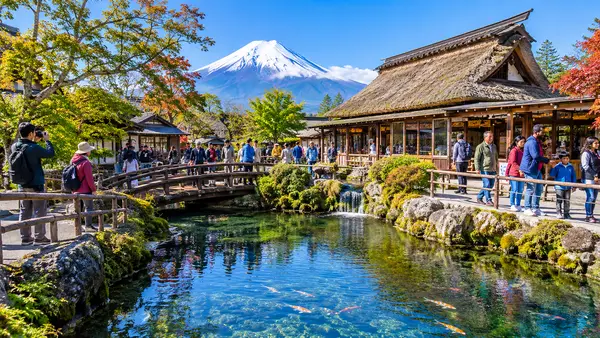
Eight spring-fed ponds supplied by filtered underground snowmelt, surrounded by traditional thatched farmhouses.
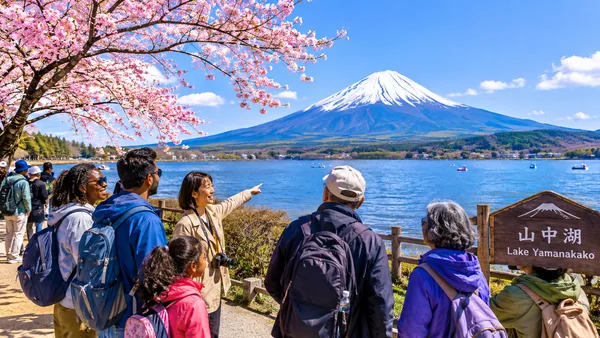
A spacious, quieter lake known for visiting whooper swans and sweeping vistas from the Panorama Dai ridge.
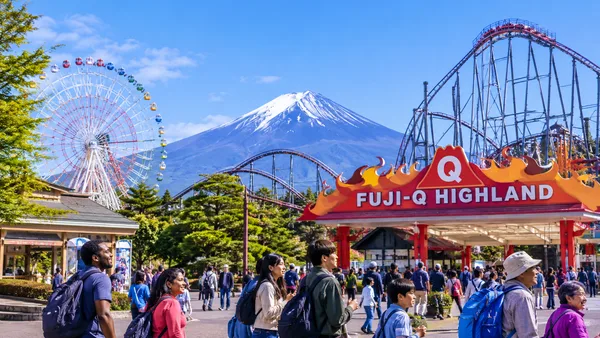
An amusement park packed with steep roller coasters situated right at the base of the western foothills.
Mt Fuji From Tokyo welcomes all visitors with accessibility features and family-friendly amenities.
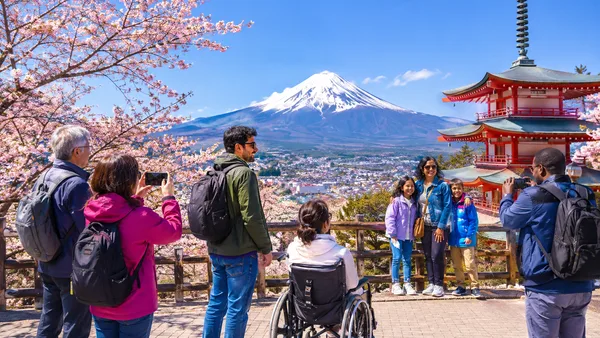
Climbing routes to the summit consist of rough, steep volcanic gravel and rocks and are entirely inaccessible to wheelchairs. However, the Fuji Subaru Line 5th Station has a paved, relatively flat plaza area with accessible public restrooms.
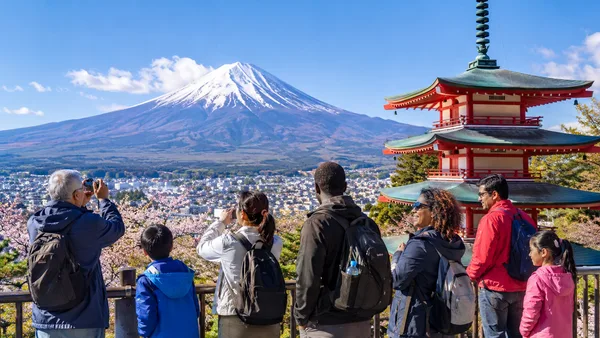
The 5th Station is family-friendly with observation decks, shops, and restaurants, though stroller use is restricted to paved areas due to gravel terrain. Ascending the hiking trails toward the summit is strenuous, subject to thin air, and not recommended for strollers or infants.
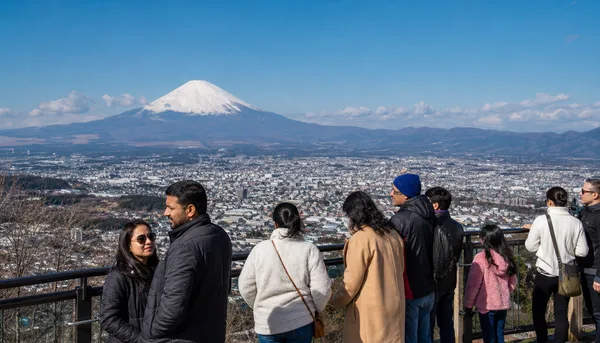
Major transit stations feature digital English ticket machines, multilingual maps, and clear English bus departure screens.
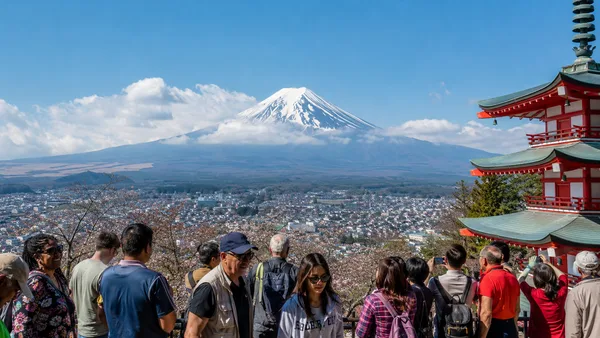
Reachable from Tokyo via highway buses or JR trains (such as the Fuji Excursion to Kawaguchiko) followed by local shuttle buses to the 5th Station. There are no cable cars or elevators to the mountain summit; exploration beyond the 5th Station is strictly on foot over steep trails and rocky steps.
Dive deeper into mt fuji from tokyo.
Compare the best Mt Fuji tours from Tokyo, from budget group buses to Shinkansen combos and private charters. Real …
Continue Reading →
Discover the best place to see Mt Fuji from Tokyo. Compare top observation decks like Shibuya Sky, Tokyo Skytree, and …
Continue Reading →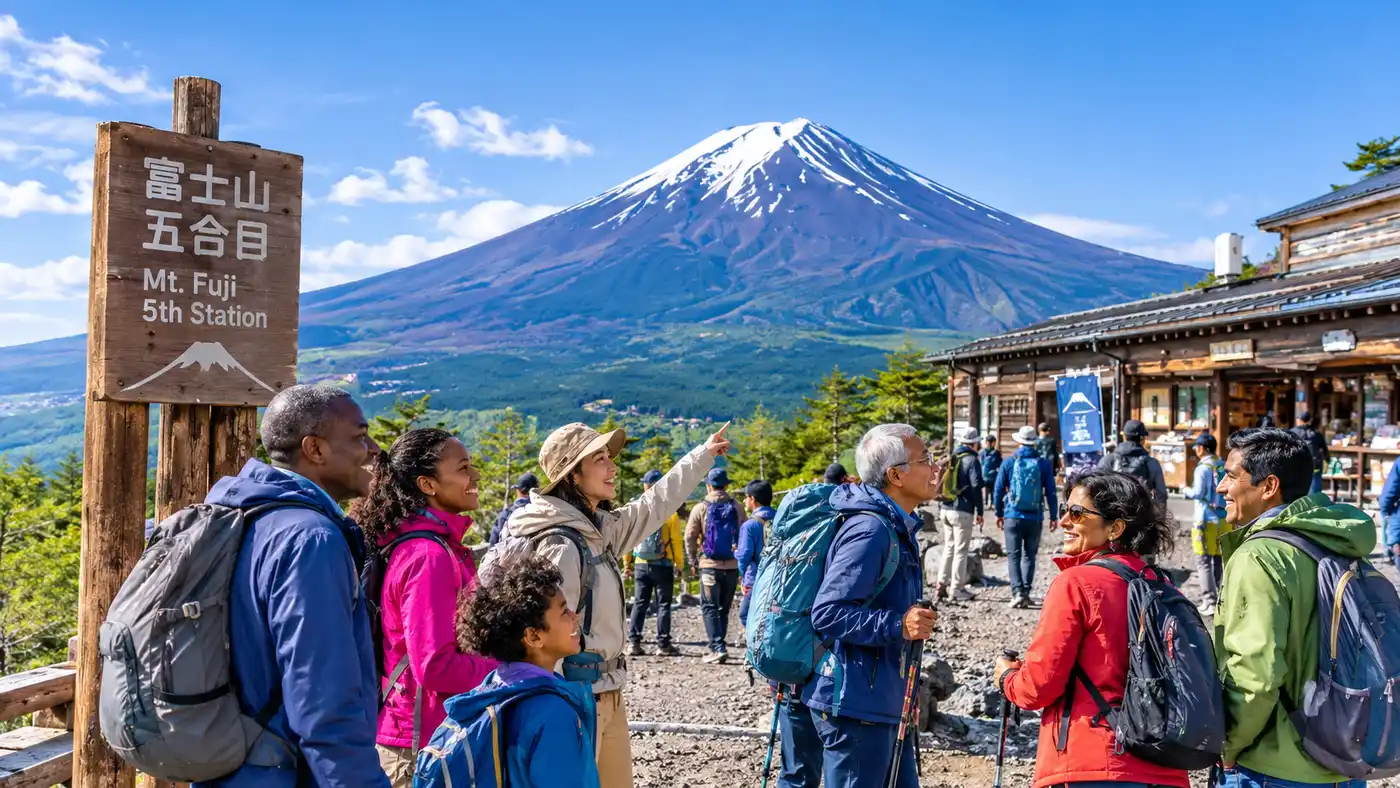
Plan your trip climbing Mt Fuji from Tokyo. Learn how to reach the 5th Station, master the Yoshida Trail, book huts, and …
Continue Reading →
Planning on driving from Tokyo to Mt Fuji? Here is everything you need to know about expressway tolls, car rentals, …
Continue Reading →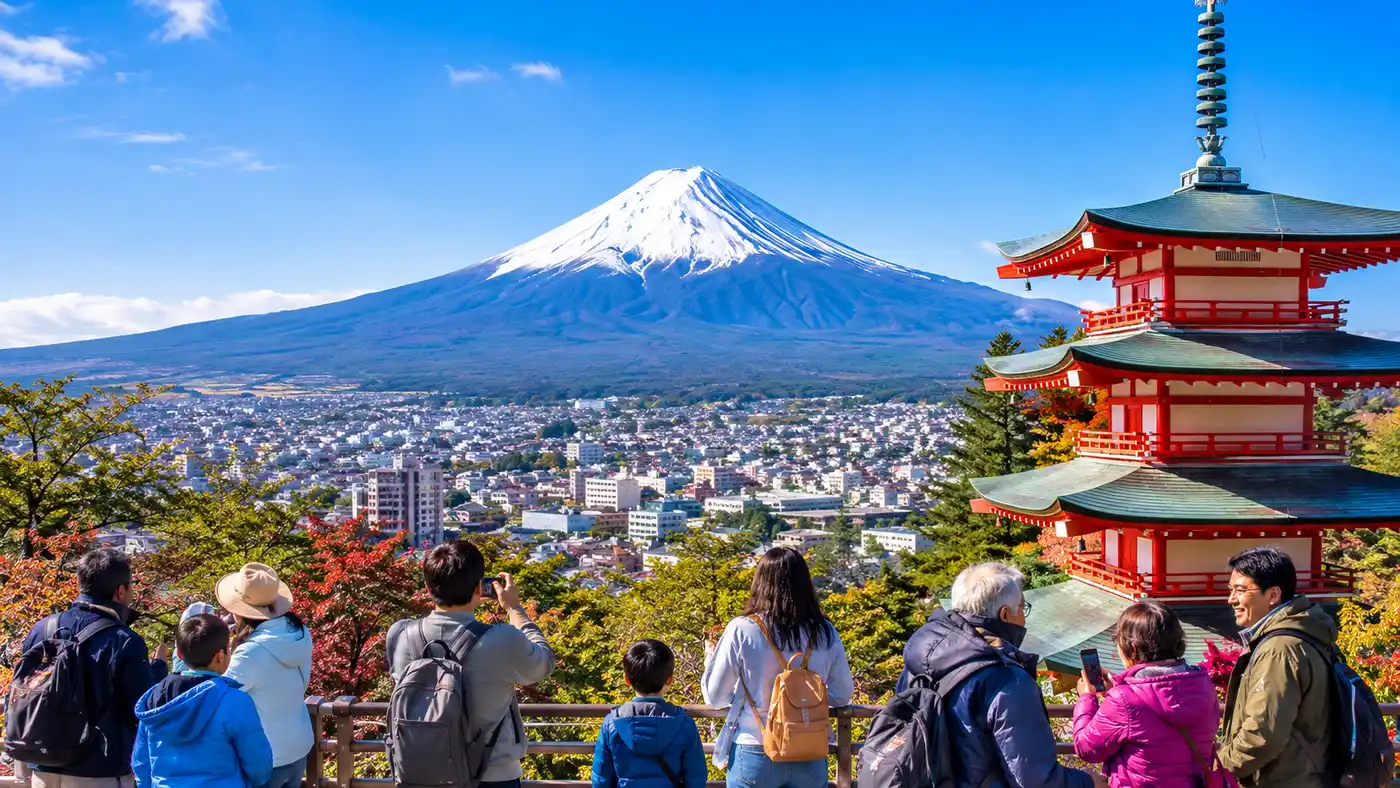
Wondering how far is Mt Fuji from Tokyo? Get exact distances in miles and km, travel times by train, bus, and car, plus …
Continue Reading →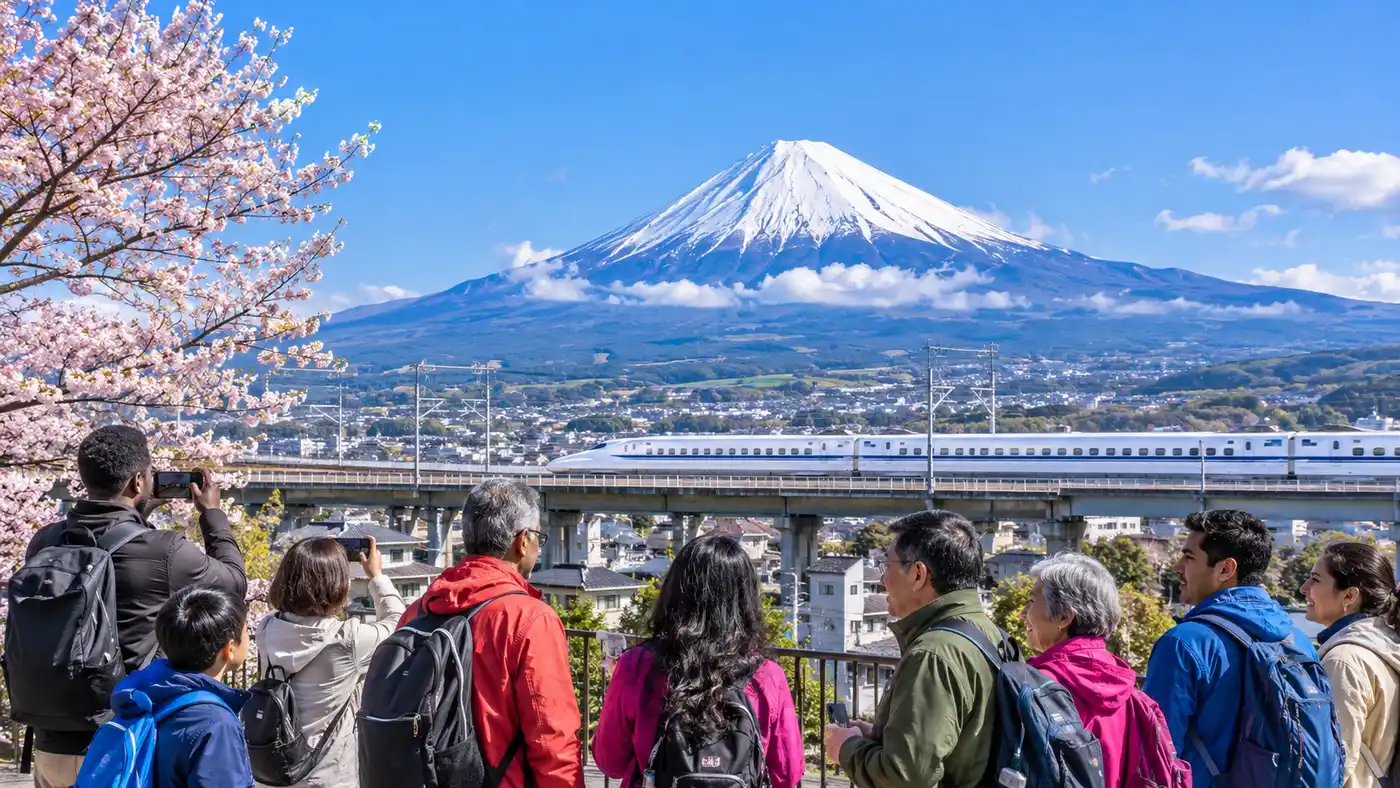
Learn how to see Mt Fuji from Shinkansen Kyoto to Tokyo. Seat tips, exact minute markers, weather odds, and how to get …
Continue Reading →
Planning a day trip from Tokyo to Mt Fuji and Hakone? Learn realistic transit options, tour vs DIY trade-offs, packing …
Continue Reading →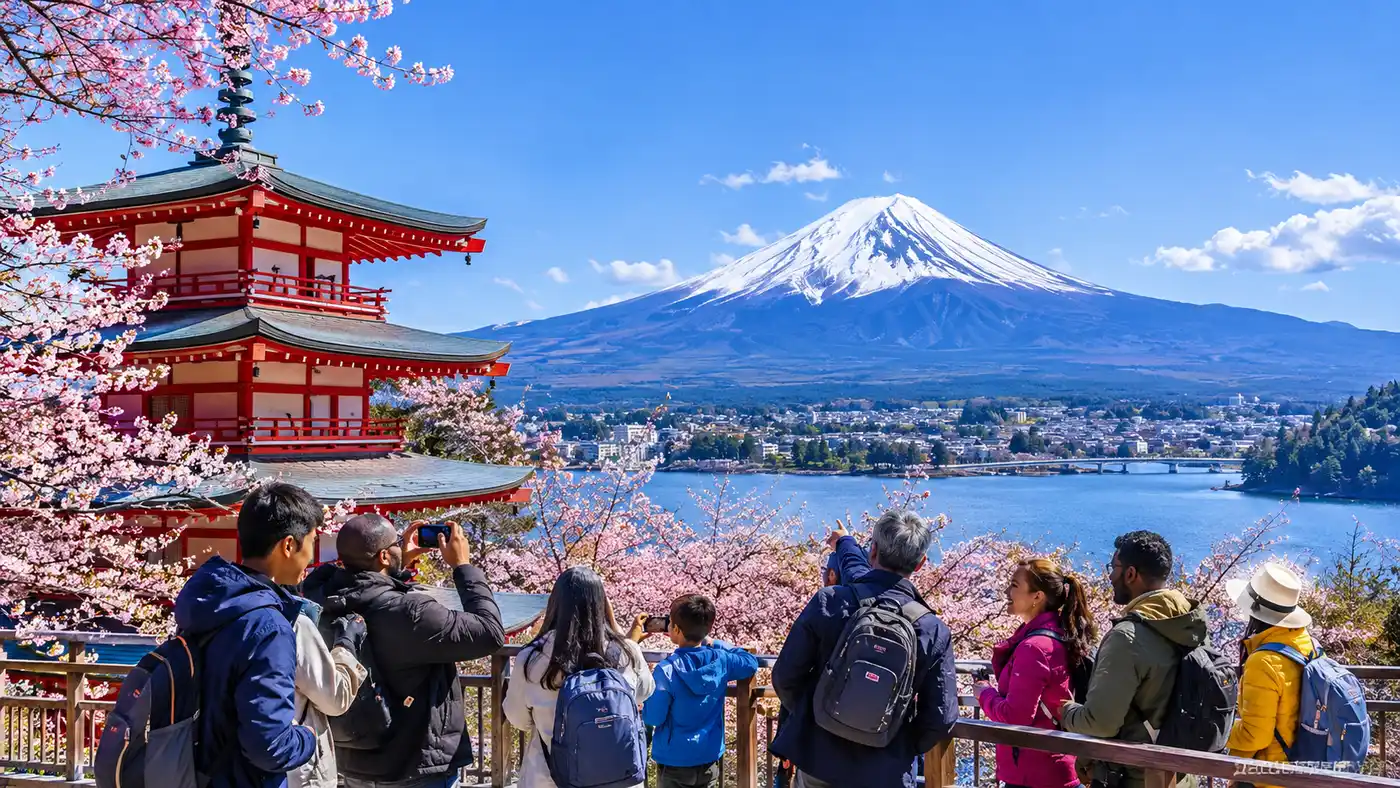
Plan your DIY Mt Fuji day trip from Tokyo with this practical guide. Real itineraries, train routes, lake views, clear …
Continue Reading →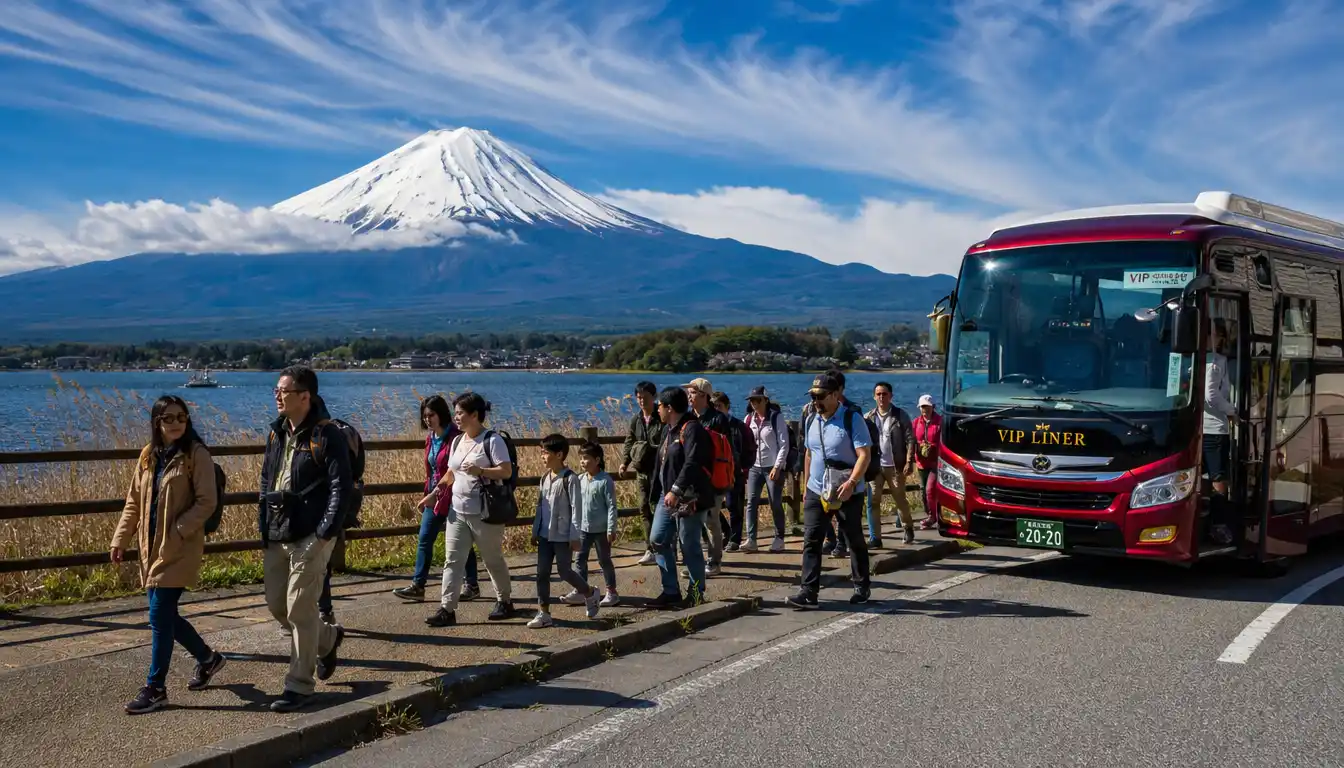
Plan your trip by bus from Tokyo to Mt Fuji. Compare departures from Shinjuku and Tokyo Station, ticket costs, travel …
Continue Reading →Common questions about mt fuji from tokyo.
Yes, easily. The direct express train from Shinjuku gets you to Lake Kawaguchiko in under two hours. Leaving Tokyo around 7:30 AM gives you six to eight hours to visit viewpoints, ride a lakeside cable car, and return by evening.
An independent day outing usually runs between ¥8,500 and ¥12,500 per person. That covers round-trip express transit, local lake shuttle buses, lunch, and admission to spots like the Mount Fuji Panoramic Ropeway.
Trains are dependable and avoid highway traffic, though tickets cost around ¥4,130 each way. Buses leaving Shinjuku or Tokyo Station cost about ¥2,200, but weekend return traffic on the Chuo Expressway can double travel times.
Choose Kawaguchiko if your priority is direct, giant views of the volcanic cone across open water. Choose Hakone if you prefer hot spring resorts, sulfur valleys, and modern art museums where mountain sightings are a secondary perk.
Seats on the morning Fuji Excursion trains open 30 days prior on the JR East reservation site and regularly sell out on weekends. Local buses around the lakes require no reservations.
On dry, crisp winter mornings, you can spot the snowcapped peak from high observation decks such as the Tokyo Metropolitan Government Building in Shinjuku or the Shibuya Sky open roof.
Cloud banks frequently wrap the upper slopes while surrounding towns remain clear. Head to the Narusawa Ice Cave, sample local noodle shops in Fujiyoshida, or soak in the outdoor mineral pools at Fujiyama Onsen.
Check departure timetables, view forecasts, and transit connections to pick the clearest day for your excursion.